
In textile manufacturing, both ring spinning and grooved drums seem to “collect yarn,” but they serve fundamentally different purposes.
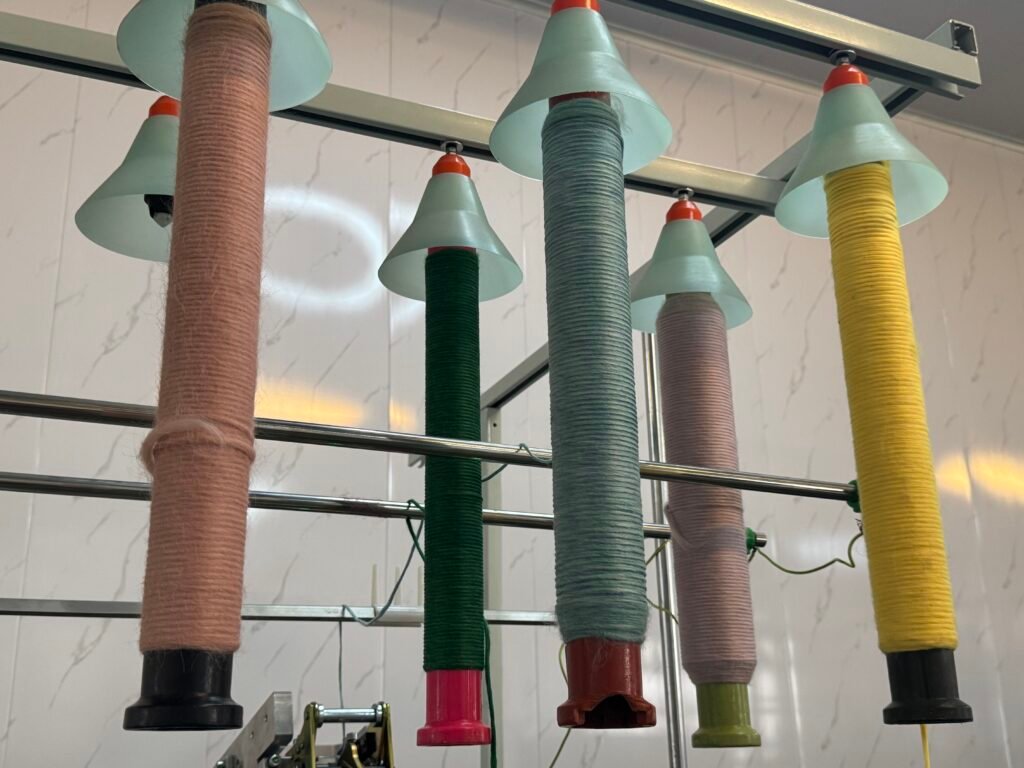
Ring spinning is part of the yarn production process. As fibers are twisted into yarn, the yarn is simultaneously wound onto a spindle to form a cop. In this case, winding is only a secondary function. The primary goal is yarn formation through twisting, not package quality. As a result, the winding structure is relatively simple and less controlled.
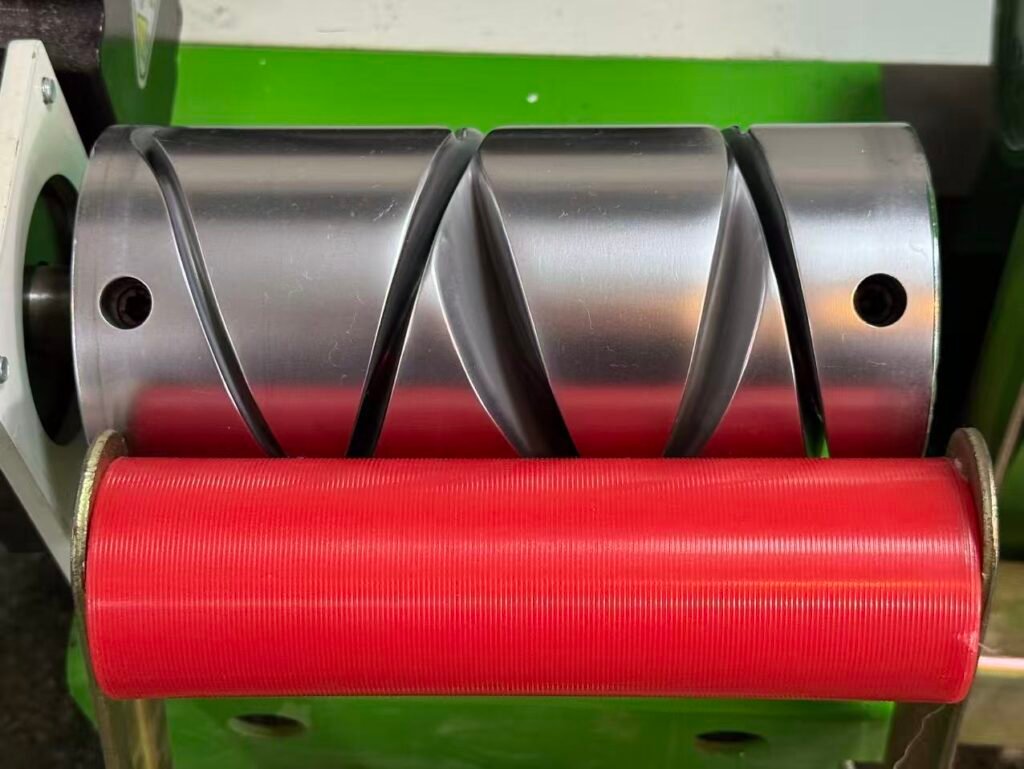
In contrast, grooved drums are designed specifically for winding. At this stage, the yarn is already finished, and no structural changes occur. The grooved drum precisely guides yarn onto cones, focusing on package quality, including even distribution, tension control, and smooth unwinding.
From a “collection” perspective, the key difference is:
Ring spinning: collects yarn during production
Grooved drum: collects yarn as a dedicated process
Additionally, ring spinning produces small cops mainly for process transfer, while grooved drums create large, stable packages suitable for dyeing and weaving.